




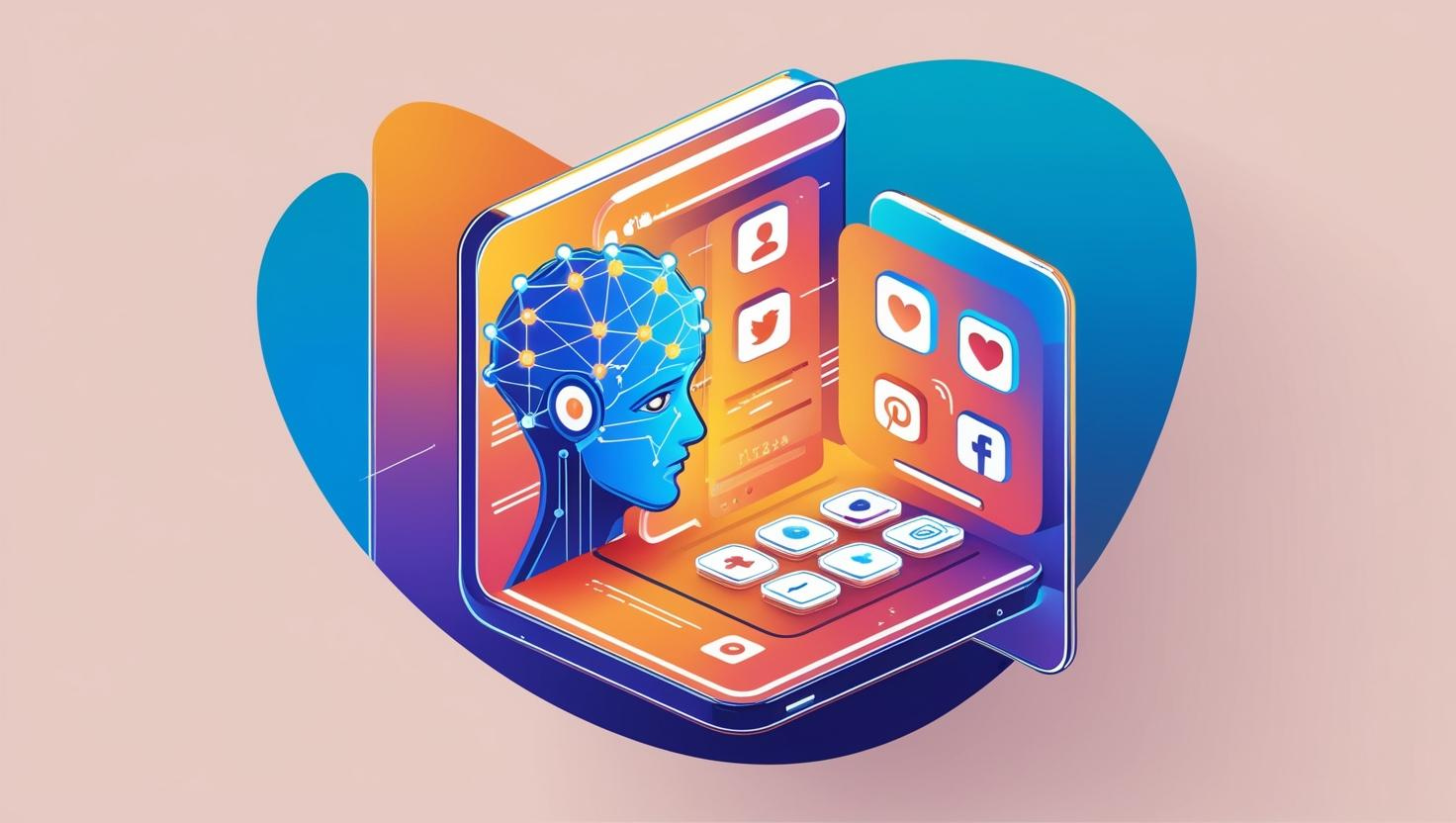
Artificial intelligence (AI) is revolutionizing content creation and reshaping how interactive media is produced, distributed, and consumed. AI-generated videos and automated editing tools open new possibilities for creators across industries.
As AI continues to advance, it is enhancing efficiency and raising important questions about creativity, authenticity, and the future of digital media.
AI in Video and Content Production
Video production is one of the most prominent areas where AI is making an impact. AI-powered tools like Runway ML, Pika Labs, and Synthesia allow creators to generate realistic videos using text prompts. These tools reduce the need for filming and post-production.
AI-powered videos benefit businesses, marketers, and educators looking to create high-quality videos quickly and affordably. AI is also revolutionizing video editing through platforms like Adobe Premiere Pro’s Sensei AI, which automates color correction, scene transitions, and object removal.
Additionally, AI-based video tools can analyze huge amounts of footage and identify key moments, helping content creators showcase highlights and summaries efficiently. This is especially valuable for news organizations, sports broadcasts, and event coverage.
AI-Generated Writing and Voiceovers
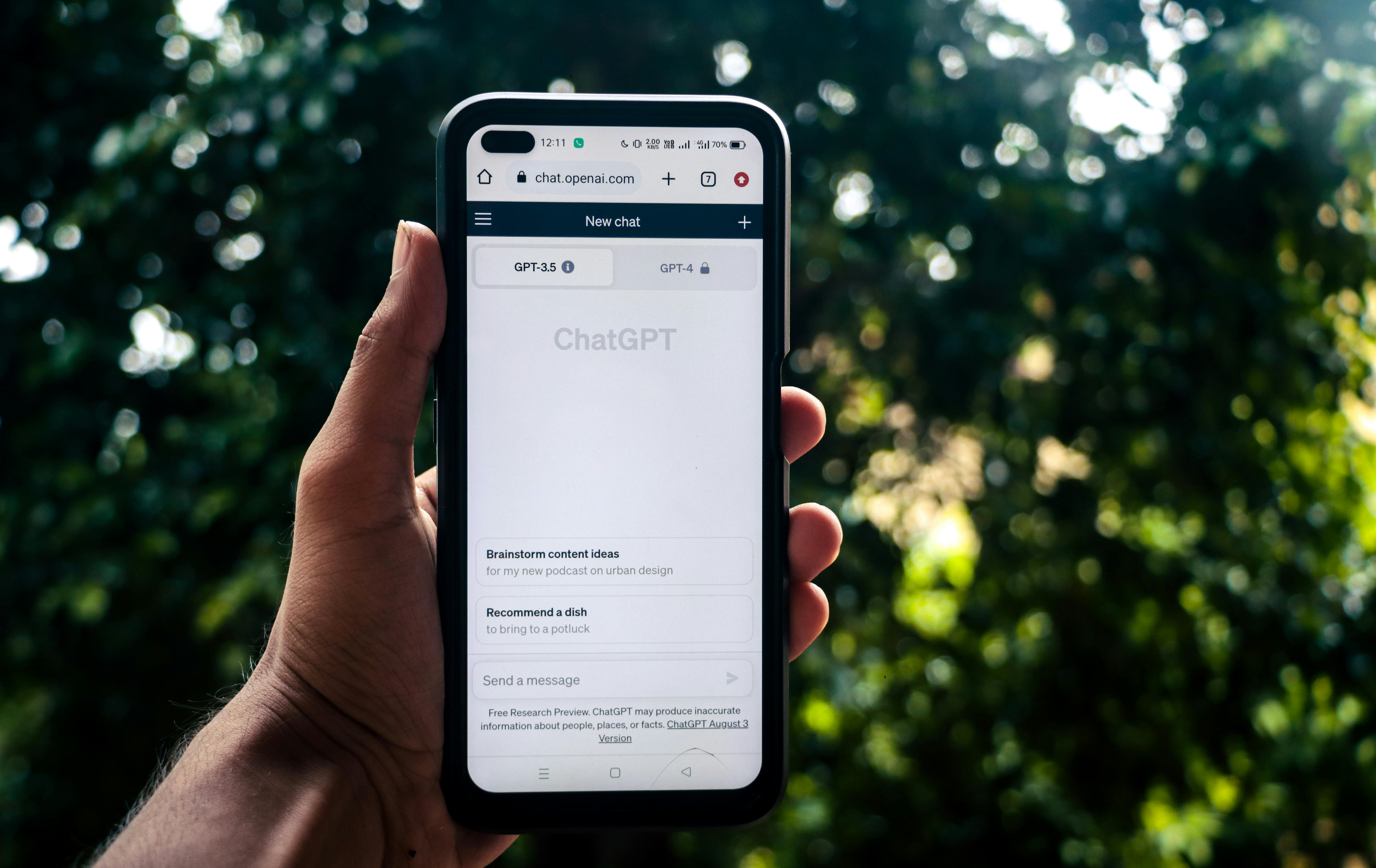
In text-based content, AI-driven platforms like ChatGPT, Claude.ai, and Jasper help generate articles, scripts, and social media posts within seconds. These tools can assist content creators by providing ideas, outlining stories, and optimizing text for audience engagement.
Similarly, AI voice synthesis technology, such as ElevenLabs and Murf.ai, enables the creation of realistic voiceovers without needing professional voice actors. These AI-generated voices are widely used in podcasts, video narrations, and audiobooks.
AI text-to-speech solutions are also being integrated into accessibility tools, allowing visually impaired individuals to consume digital content more easily. Real-time AI voice cloning technology is gaining traction, allowing personalized interactions in gaming and virtual assistant applications.
Virtual Influencers and AI-Driven Personalities
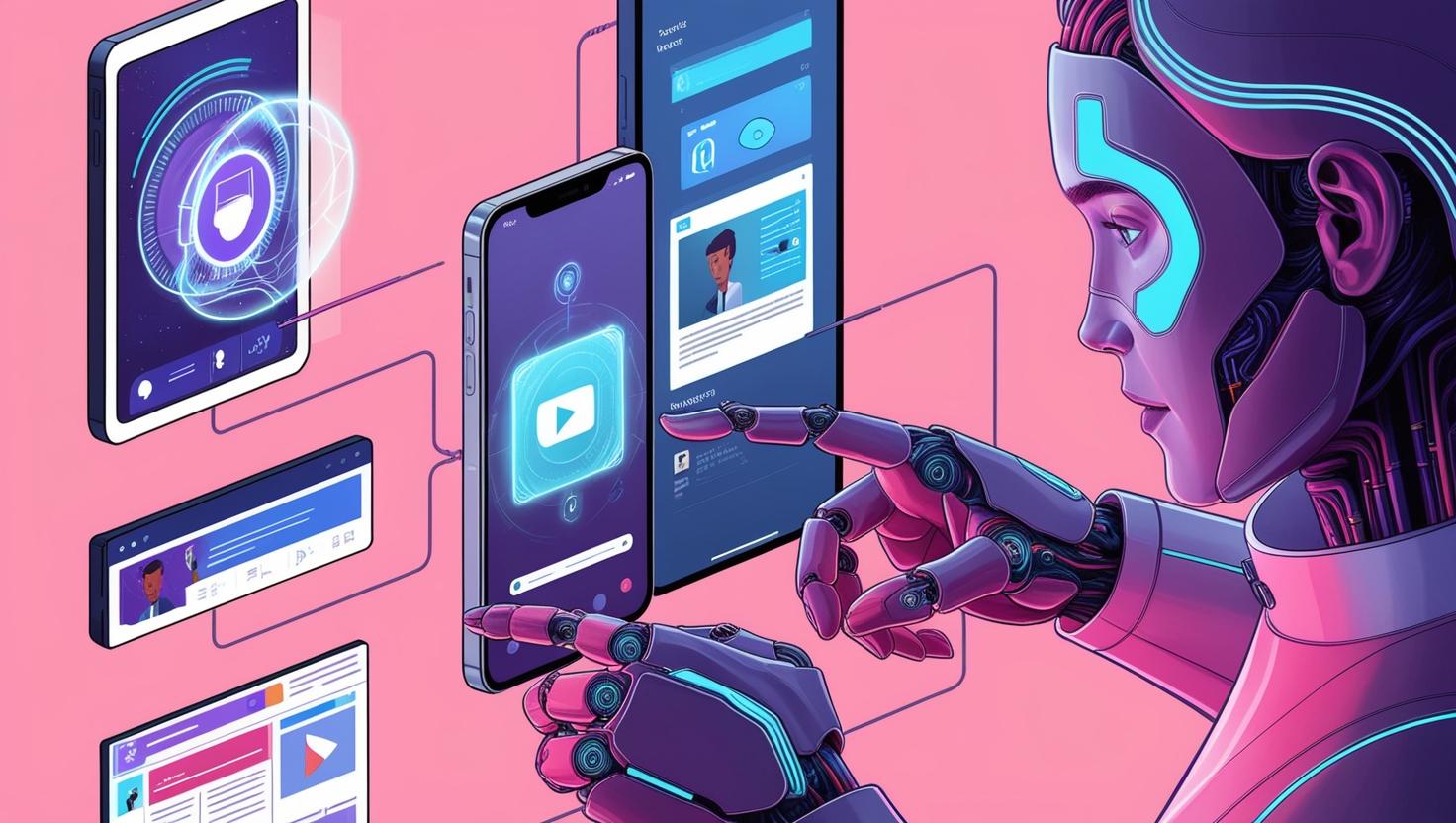
AI has also given rise to virtual influencers, computer-generated characters with human-like personalities who engage with audiences on social media.
Platforms like Lil Miquela and FN Meka show how AI-generated personas can gain millions of followers and collaborate with brands like human influencers. These virtual influencers open new marketing possibilities and raise concerns about authenticity and ethical advertising.
AI in Live Streaming and Social Media
Live streaming and media platforms are incorporating AI more and more to enhance audience engagement. AI-powered chatbots, real-time video enhancements, and automated highlights are transforming the way creators interact with their audiences. Platforms like Twitch and YouTube Live use AI to suggest personalized content, moderate the comments, and improve the streaming quality.
Additionally, AI-driven live translation and closed-captioning services are expanding accessibility in live streaming, allowing creators to reach more people.
The Future of AI in Content Creation
As AI technology continues to evolve, its potential in interactive media will only grow. Future developments could include AI-driven video game narratives, live deepfake applications and hyper-personalized content specially made for individual viewers. However, ethical concerns, including the misuse of deepfake technology, copyright issues, and how it will affect human artists remain significant challenges that need to be addressed.
Conclusion
The rise of AI-powered content creation is transforming the interactive media landscape, making content production more accessible, efficient, and innovative. While AI opens new creative possibilities, it also requires careful consideration of ethical concerns. As machine learning continues to refine its potential, the balance between human creativity and AI automation will shape the future of interactive media.